

National Members have been asked to submit nominations for the Technical Committee.
(Email from the Secretary sent to all National Members on 01/06/2014)
The composition of the Technical commmittee is being considered.
The composition of the Technical commmittee is being considered.
Radiosailing
IRSA International Radio Sailing Association
IRSA is the worldwide radio sailing organization as an affiliated member of ISAF. IRSA is dedicated to the enhancement of both current and emerging world radio sailing classes through the promotion and development of consistent class rules, measurement methods, radio yachting racing rules and advice in running major racing  events.
What is Radiosailing
World, Continantal Natinal Championships sport that can be enjoyed by young and old
Fun Stuff here
try now
Hello.
Lorem ipsum dolor sit amet, consectetur adipiscing elit. Duis pharetra varius quam sit amet vulputate. Quisque mauris augue, molestie tincidunt condimentum vitae, gravida a libero. Aenean sit amet felis dolor, in sagittis nisi. Sed ac orci quis tortor imperdiet venenatis. Duis elementum auctor accumsan. Aliquam in felis sit amet augue.
Hello.
Lorem ipsum dolor sit amet, consectetur adipiscing elit. Duis pharetra varius quam sit amet vulputate. Quisque mauris augue, molestie tincidunt condimentum vitae, gravida a libero. Aenean sit amet felis dolor, in sagittis nisi. Sed ac orci quis tortor imperdiet venenatis. Duis elementum auctor accumsan. Aliquam in felis sit amet augue.
Hello.
Lorem ipsum dolor sit amet, consectetur adipiscing elit. Duis pharetra varius quam sit amet vulputate. Quisque mauris augue, molestie tincidunt condimentum vitae, gravida a libero. Aenean sit amet felis dolor, in sagittis nisi. Sed ac orci quis tortor imperdiet venenatis. Duis elementum auctor accumsan. Aliquam in felis sit amet augue.
Keep Going
Hello.
Lorem ipsum dolor sit amet, consectetur adipiscing elit. Duis pharetra varius quam sit amet vulputate. Quisque mauris augue, molestie tincidunt condimentum vitae, gravida a libero. Aenean sit amet felis dolor, in sagittis nisi. Sed ac orci quis tortor imperdiet venenatis. Duis elementum auctor accumsan. Aliquam in felis sit amet augue.
Hello.
Lorem ipsum dolor sit amet, consectetur adipiscing elit. Duis pharetra varius quam sit amet vulputate. Quisque mauris augue, molestie tincidunt condimentum vitae, gravida a libero. Aenean sit amet felis dolor, in sagittis nisi. Sed ac orci quis tortor imperdiet venenatis. Duis elementum auctor accumsan. Aliquam in felis sit amet augue.
Hello.
Lorem ipsum dolor sit amet, consectetur adipiscing elit. Duis pharetra varius quam sit amet vulputate. Quisque mauris augue, molestie tincidunt condimentum vitae, gravida a libero. Aenean sit amet felis dolor, in sagittis nisi. Sed ac orci quis tortor imperdiet venenatis. Duis elementum auctor accumsan. Aliquam in felis sit amet augue.
Bootstrap Parallax
Executive Committee
The IRSA Executive Committee was elected by the General Assembly, May 2016 under the terms of Articles 7.
IRSA A Class
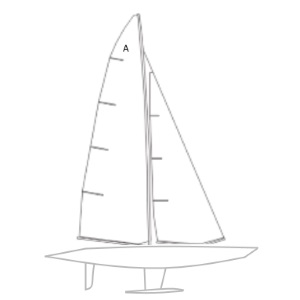
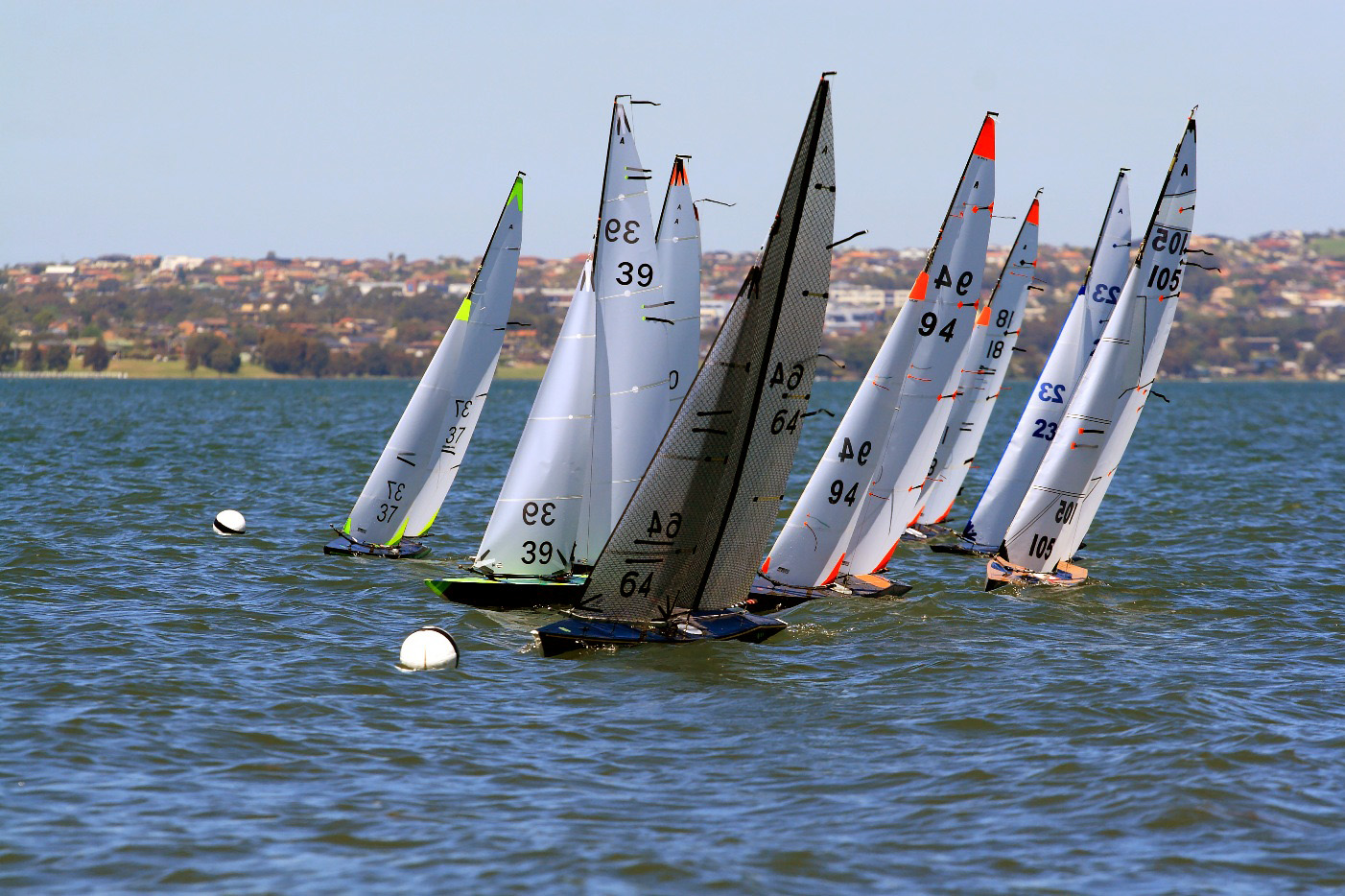 Boats in IRSA A Class are not limited in length, but are controlled by a formula which balances waterline length, displacement, and sail area. Using this formula, sail area reduces as displacement reduces and as waterline length increases. The formula was devised in 1922 by Major Malden Heckstall-Smith, then editor of the Yachting Monthly, for testing an alternative to the International Linear rule. A similar rating rule is still in use today in the 5.5 Metre class rule which also uses elements of the Linear rule. Although A Class boats are of a heavy ‘type’ there is flexibility to create lighter hull forms which excel in brisker conditions.
  Nevertheless they are big boats compared with other rc classes and a fleet of A Class boats is an impressive sight. A modern A Class will usually be made using carbon fibre – hull, foils and spars.
The class was given Classic Class status in 2004. For full information concerning what this means please see the IRSA Regulations.
A Class documents (click to expand categories)
IRSA Ten Rater Class
 Boats in the IRSA Ten Rater (10R) class are not limited in length by the class rules and usually have overhangs extending beyond their waterline endings. They are generally light, narrow, stable, seaworthy and fast. This IRSA international rule is based on the 1887 “length and sail area rating rule” which allows shorter waterline length boats to have higher sail areas, while longer LWL boats have smaller sails. It is an ‘open’ rule with great freedom to develop design and construction, particularly in rigs and sail plans. Many different hull forms can be found in the 10R class.
  A modern 10R will usually be made almost entirely of carbon fibre – hull, foils, spars and fittings.
The Ten Rater class is managed by its own International Class Association, the ITCA. Please visit the class website at www.tenrater.org
Ten Rater Class documents (click to expand categories)